DAPP Namiba DAPP Namiba
Open menu
  • Home
  • Who We Are
    • About DAPP Namibia
    • Our History
    • Our Partners
    • A Member of Humana People to People
  • What We Do
    • Climate Change Action
    • Health
    • Education
    • Community Development
  • Vacancies
  • Procurement
  • More
    • Articles
    • Videos
    • Publications
  • Contact Us
    • Contact details
    • Enrolment forms
  • Home
  • Who We Are
      • Back
      • Who We Are
      • DAPP Namibia History
      • Our Partners
      • A Member of Humana People to People
  • What We Do
      • Back
      • Health
      • Education
      • Community Development
      • Climate Change Action
  • Procurement
  • Vacancies
  • More
      • Back
      • Articles
      • Publications
      • Videos
  • Contact Us
      • Back
      • Contact details
      • Enrolment forms
  1. You are here:  
  2. Home
  3. Blog - Health
  • Health

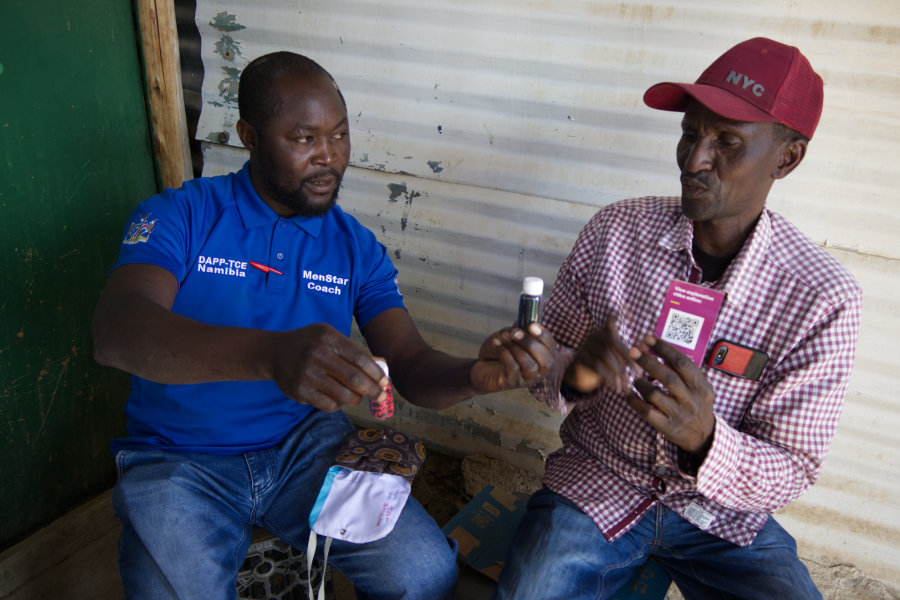
MenStar peer coaching – Improving men’s health and preventing new HIV infections

The MenStar Programme aims to break the cycle of HIV transmission and improve treatment adherence to support viral load suppression amongst men living with HIV.

The MenStar coaching model aims to break the cycle of HIV transmission and improve treatment adherence to support viral load suppression amongst men living with HIV.

MenStar is a coaching model that works with men living with HIV (MLHIV), who are established (virally suppressed) and successful in their treatment adherence, to coach other MLHIV. MenStar is an important innovation to help Namibia achieve a sustainable epidemic control because men have lower HIV treatment retention rates than women, resulting in lower viral load suppression rates amongst men and less knowledge of HIV risk factors.
The MenStar coaches specifically target men with treatment interruption, men who are newly diagnosed HIV-positive, and men identified with low viral load suppression.

MenStar article

Coaches provide these men with enhanced support to prevent treatment interruption, promote treatment and commitment to medication, and ultimately achieve viral load suppression. Men enrolled in the MenStar model are supported until they can stand on their own and commit to taking their treatment every day.

Listen to a man supported by a MenStar coach: “I was very sick and bedridden for some months at home without taking treatment. My family failed to convince me to go to the health facility since I didn’t disclose my HIV status. I opted not to continue taking my medication after it was finished. It was painful having to deal with the illness at home until I was approached by a man who appeared very friendly and asked to speak to me in private.

Without hesitating, I opened up to the coach after he had shared his HIV journey with me. I was afraid to go to the health facility because I missed taking treatment for a long time. The coach managed to take away my fears and accompanied me to the facility where I was attended to immediately without standing in any queue. I would like to thank the MenStar Coach for the intervention he made in my life. As of now, I am able to go on my own and access care and treatment. I have also inspired a few other men who had similar fears.”

TCE - Mother Baby Follow up

A Graduation Ceremony with a Difference: Celebrating the Success of Keeping Babies HIV-free

Article published by the US Embassy, Windhoek

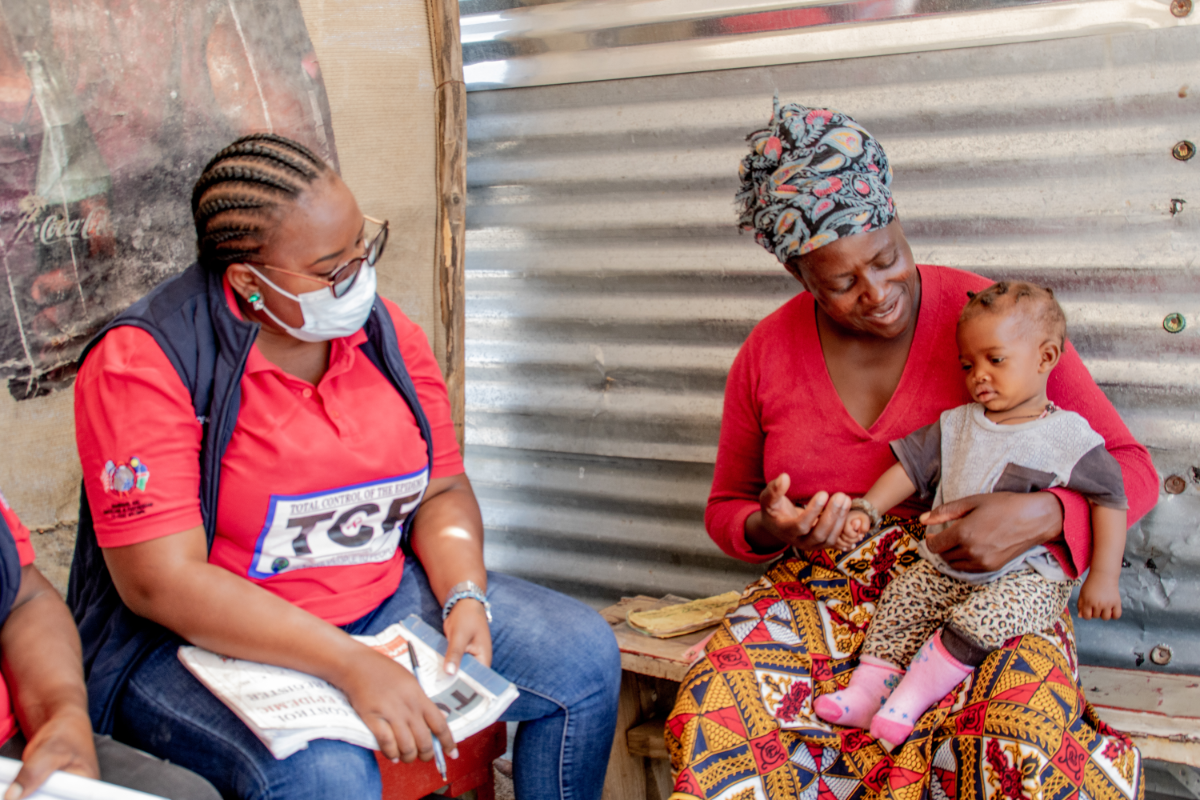
Smiling and singing, a group of mothers in the Oshana region are celebrating the graduation of their children. But this is no ordinary graduation. All the mothers are living with HIV, and the graduating children are just 18 months old. By taking their antiretroviral medicine consistently and correctly, the mothers have kept their infants HIV-free during pregnancy, birth, and breastfeeding for 18 months.
TCE officer during a mother baby visit article

The graduation ceremony is organized by local civil society organization, Development Aid from People to People (DAPP), a partner organization funded by the United States President’s Emergency Plan for AIDS Relief (PEPFAR) through the U.S. Centers for Disease Control and Prevention Namibia (CDC). DAPP works with communities across Namibia to support HIV positive pregnant and breastfeeding women to ensure that the virus is not passed from mother to child. DAPP holds ceremonies like this one with all the communities they support.

“Stopping the transmission of HIV from mother to child is critical; no infant or young child should acquire HIV when we have universally accessible medicines to prevent this from happening,” says CDC Namibia Country Director, Dr. Brian Baker. “

Celebrating the fact that these children are HIV free at 18 months is something very special.
Under the leadership of the Ministry of Health and Social Services, and through the support from PEPFAR, the children’s lives have been changed for the better.

These ceremonies are powerful testimonials to the resiliency of these women and the support provided by the program to eliminate mother to child transmission of HIV.

We want to see all babies born free from HIV, so we join hands: the mother - baby, the TCE field officer, the health worker; and follow the advice and systems put in place for that purpose.

The journey of pregnancy and motherhood is often a complex mix of joys and challenges for any woman, but to live with HIV can make it harder. Even though good adherence to HIV treatment is effective in reducing the risk of mother to child transmission of HIV, the fear that your baby could become infected is still a heavy burden. Many people in Namibia face challenges such as poverty, unemployment, and food insecurity. These pressures are just some of the reasons mothers living with HIV stop taking their medication. Some may not have the money to travel to their clinic for a medication refill, while for others, lack of job flexibility forces them to skip clinic visits. Other challenges are domestic violence, long distances to the local clinic and fear of stigma.

The first critical step to the 18 month-milestone is ensuring that pregnant women know their HIV status. With support from CDC and other partners, the MoHSS has ensured that 99% of pregnant women in Namibia know their HIV status. This is where the pregnancy care and support package offered by DAPP starts as it involves regular follow-up visits by community health workers. If a pregnant woman misses an appointment at the clinic, the community health worker goes into the community to find her and help her return to care. The results of this personalized support are overwhelming.

“I am happy because DAPP field officers are always reminding me of our appointment dates. Without them I could not be up to date with my clinic follow-up dates because I sometimes have so much work to do which can make me forget. The field officers visit my house to see how the baby is and they always have a discussion with me. I am happy for the information I get. It is helping me to keep my child free from the virus”, says Konstasia, one of the mothers supported by the program.

Nine years ago, more than 13% of HIV-positive mothers in Namibia passed HIV to their children during pregnancy, delivery and breastfeeding. Today, less than 5% of HIV-positive mothers pass HIV to their children. This reduction of nearly two-thirds has changed the lives of Namibian children. It has been through the dedicated partnership between the governments of the United States and Namibia as well as organizations like DAPP, providing support to HIV-positive mothers, that children are able to remain HIV-free.

“Each time we have a graduation ceremony I am reminded of the journey we all walk together. From PEPFAR support through CDC, we can assist the Ministry of Health and Social Services to end HIV in Namibia. Today, children are growing up HIV-free. There is no better achievement than this”, concludes DAPP Director, Kirsten Moller Jensen.

The TCE programme works with HIV positive pregnant women, and nursing mothers to prevent HIV transmission to their babies. In 2022 The TCE programme worked with 3,152 mother-baby pairs, 100% of the babies born to HIV-positive mothers turned out HIV- negative at 18-months of age. In 2022, the TCE programme identified 4,532 pregnant women in rural communities and successfully linked them to antenatal care at health facilities to improve the health of the women during pregnancy and the health of their babies.
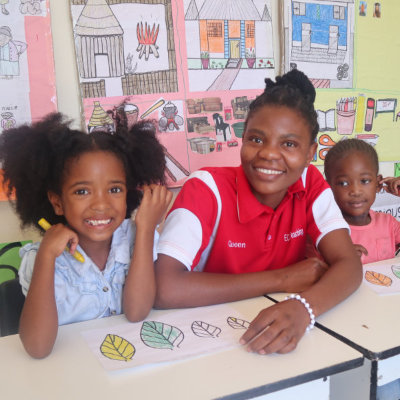
Fighting the Surge: How We are Taking Malaria Action Directly to Communities

Malaria awareness, prevention, test and treat, and surveillance carried out in the Kavango West and East, Zambezi, Ohangwena, and Omusati regions are one of the important health activities delivered by DAPP Namibia.

In response to a severe malaria outbreak that has seen 56,130 cases and 95 deaths (May 2025 report) reported across Namibia since the malaria seasons started in December 2024, DAPP Namibia's community health workers are on the front lines, bringing critical services directly to households. In partnership with the Ministry of Health and Social Services, we have intensified malaria interventions in the Kavango West and East, Zambezi, Ohangwena, and Omusati regions, focusing on what works best.

Malaria article

Our Community Health Workers are:

  • Testing individuals for malaria in affected communities.
  • Treating uncomplicated cases right at the household level.

Referring severe cases to health facilities for urgent care.
Supervisors provide continuous monitoring and support these frontline efforts during the outbreak and the results speak to the power of a localized response.
In Kavango East, our team tested an entire village after 10 cases were found in a single household while in Zambezi, health workers identified and contained a cluster of cases in one village, preventing a wider outbreak.

In all instances, every malaria-positive client was followed up to ensure they completed their treatment, stopping the spread in its tracks. These actions demonstrate the power of community-based healthcare: fast, responsive, and deeply rooted in the lives of the people we serve. We remain committed to the fight against malaria, right where it starts.
These activities were implemented in partnership with the Ministry of Health and Social Services and supported by the Global Fund to Fight AIDS, Tuberculosis and Malaria (GFATM). As part of our integrated approach, DAPP Namibia also provides cross-cutting family health education and support to improve general health, food security, nutrition, and household resilience.

e-Bikes Help TCE Field Officers Reach More People in Rural Otjozondjupa

e-bike demonstrationIn the rural areas of Tsumkwe and Omatako in Namibia’s Otjozondjupa Region, many people live far from health facilities. Reaching them with HIV and TB services has always been a challenge. The villages are spread out, the roads are long and sandy, and before, our TCE Field Officers could only go as far as their feet could carry them or wait for a shared vehicle from the clinics. This made it hard to offer regular HIV and TB services, especially in places that need them the most.
DAPP Namibia gave a big boost to the work of three TCE Field Officers in these areas by providing them with electric bicycles (e-bikes). These e-bikes allow the Field Officers to reach up to 40 kilometres, making it much easier and quicker for them to reach people in need.
With the e-bikes, our TCE Field Officers are now able to visit more people more often. They use the bikes to screen people for HIV and TB, collect sputum samples from those with symptoms, and take the samples to the clinic quickly for testing. They also use the bikes to support people who are already on HIV treatment or TB medication, making sure they stick to their treatment, reminding them about appointments, and offering counselling when it’s needed.
If someone misses an appointment or stops treatment, the Field Officers can now find them much faster and support them to get back on track. The e-bikes are helping reduce the number of people lost to follow-up and making sure that no one is left behind.

This small but powerful tool is making a big difference. It’s not just a way to move around, but it’s a way to bring health and support to people who otherwise wouldn’t get it. Thanks to the e-bikes, the fight against HIV and TB in rural Otjozondjupa is getting stronger.
At DAPP Namibia, we believe that everyone deserves access to health services, no matter where they live. These e-bikes are helping us reach that goal.

field officer with e bike

Yes! We Can End TB: Together for a Healthier Namibia

Tuberculosis (TB) remains one of Namibia’s most pressing health challenges. Despite years of progress, the country still ranks among the top 15 globally for TB cases per capita. It continues to claim lives and affect thousands of families, especially in communities with limited access to healthcare. Tackling this disease requires strong partnerships, early intervention, and a united response across all levels of society.

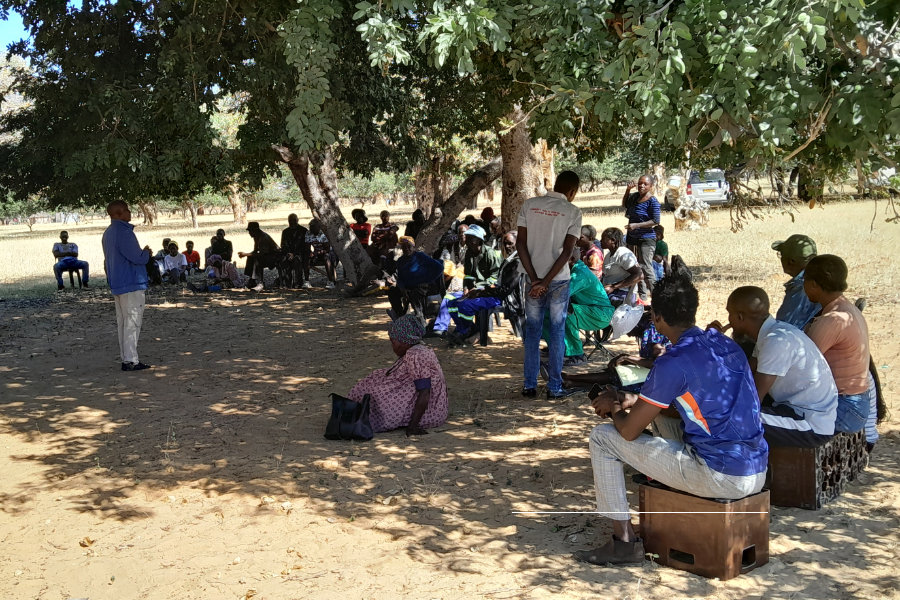
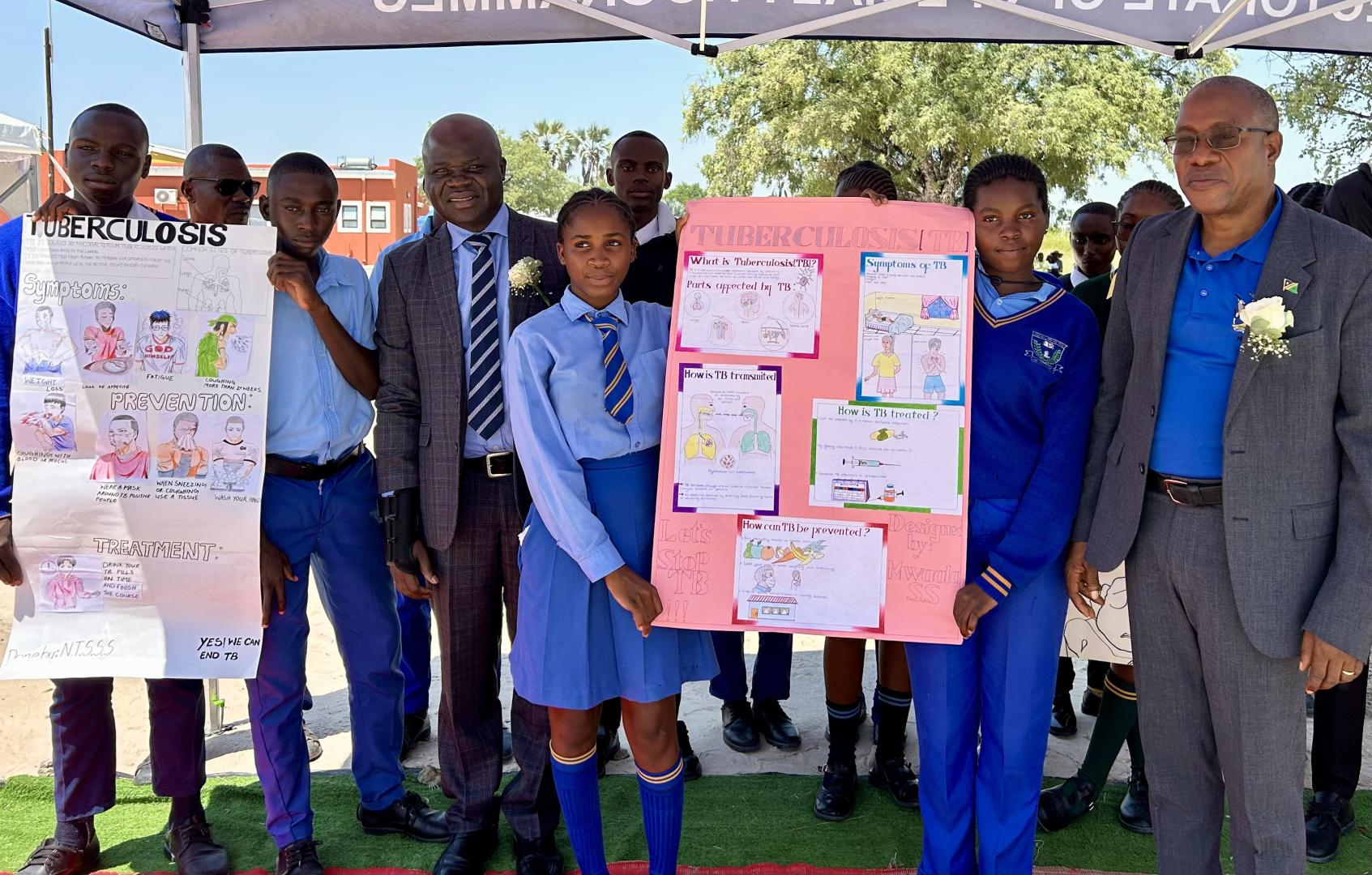
On 28 March 2025, Namibia joined the world in marking World TB Day under the powerful theme: “Yes! We Can End TB: Commit, Invest, Deliver.” The national event took place in Tsandi, Omusati Region, bringing together health professionals, government officials, community leaders, and development partners—all focused on one shared goal: ending TB in Namibia.

Figure 1 Photo by WHO
Photo by WHO

DAPP Namibia proudly took part as an implementing partner through our Total Control of the Epidemic (TCE) programme. Working closely with the Ministry of Health and Social Services (MoHSS), our team focuses on TB, HIV/AIDS, and other diseases at the grassroots level—empowering communities to take control of their health.

In a keynote address delivered by the Executive Director of MoHSS, Mr Ben Nangombe, on behalf of Honourable Minister Esperance Luvindao, the message was clear:

“As one of the countries with the highest TB burden per capita, we must intensify efforts to defeat this disease.”

Speaking on behalf of DAPP Namibia, Paulina Iikela urged communities to remain proactive:

“Let us continue screening for TB, identifying and treating TB cases, and providing essential support to TB patients and their families. By acting early and supporting one another, we can build a healthier Namibia.”

With continued collaboration, awareness, and the right support systems in place, progress is already being made. Communities are more informed, screening efforts are reaching more people, and those diagnosed with TB are receiving the treatment they need.

Dr Richard Banda, WHO Representative in Namibia, reinforced the call for stronger domestic funding and practical implementation of WHO guidelines to ensure no one is left behind.

At DAPP Namibia, we remain committed to:

  • Strengthening community-based TB education and screening.
  • Supporting early diagnosis and access to treatment.
  • Advocating for increased investment in TB prevention and care.

Join Us in the Fight Against TB

Ending TB in Namibia is within reach—but it starts with all of us. Whether you're a policymaker, health worker, business leader, or community member, your role is vital. Together, we can build a future where TB is no longer a threat.

  • Health

MenStar peer coaching – Improving men’s health and preventing new HIV infections

The MenStar Programme aims to break the cycle of HIV transmission and improve treatment adherence to support viral load suppression amongst men living with HIV.

The MenStar coaching model aims to break the cycle of HIV transmission and improve treatment adherence to support viral load suppression amongst men living with HIV.

MenStar is a coaching model that works with men living with HIV (MLHIV), who are established (virally suppressed) and successful in their treatment adherence, to coach other MLHIV. MenStar is an important innovation to help Namibia achieve a sustainable epidemic control because men have lower HIV treatment retention rates than women, resulting in lower viral load suppression rates amongst men and less knowledge of HIV risk factors.
The MenStar coaches specifically target men with treatment interruption, men who are newly diagnosed HIV-positive, and men identified with low viral load suppression.

MenStar article

Coaches provide these men with enhanced support to prevent treatment interruption, promote treatment and commitment to medication, and ultimately achieve viral load suppression. Men enrolled in the MenStar model are supported until they can stand on their own and commit to taking their treatment every day.

Listen to a man supported by a MenStar coach: “I was very sick and bedridden for some months at home without taking treatment. My family failed to convince me to go to the health facility since I didn’t disclose my HIV status. I opted not to continue taking my medication after it was finished. It was painful having to deal with the illness at home until I was approached by a man who appeared very friendly and asked to speak to me in private.

Without hesitating, I opened up to the coach after he had shared his HIV journey with me. I was afraid to go to the health facility because I missed taking treatment for a long time. The coach managed to take away my fears and accompanied me to the facility where I was attended to immediately without standing in any queue. I would like to thank the MenStar Coach for the intervention he made in my life. As of now, I am able to go on my own and access care and treatment. I have also inspired a few other men who had similar fears.”

TCE - Mother Baby Follow up

A Graduation Ceremony with a Difference: Celebrating the Success of Keeping Babies HIV-free

Article published by the US Embassy, Windhoek

Smiling and singing, a group of mothers in the Oshana region are celebrating the graduation of their children. But this is no ordinary graduation. All the mothers are living with HIV, and the graduating children are just 18 months old. By taking their antiretroviral medicine consistently and correctly, the mothers have kept their infants HIV-free during pregnancy, birth, and breastfeeding for 18 months.

TCE officer during a mother baby visit article

The graduation ceremony is organized by local civil society organization, Development Aid from People to People (DAPP), a partner organization funded by the United States President’s Emergency Plan for AIDS Relief (PEPFAR) through the U.S. Centers for Disease Control and Prevention Namibia (CDC). DAPP works with communities across Namibia to support HIV positive pregnant and breastfeeding women to ensure that the virus is not passed from mother to child. DAPP holds ceremonies like this one with all the communities they support.

“Stopping the transmission of HIV from mother to child is critical; no infant or young child should acquire HIV when we have universally accessible medicines to prevent this from happening,” says CDC Namibia Country Director, Dr. Brian Baker. “

Celebrating the fact that these children are HIV free at 18 months is something very special.
Under the leadership of the Ministry of Health and Social Services, and through the support from PEPFAR, the children’s lives have been changed for the better.

These ceremonies are powerful testimonials to the resiliency of these women and the support provided by the program to eliminate mother to child transmission of HIV.

We want to see all babies born free from HIV, so we join hands: the mother - baby, the TCE field officer, the health worker; and follow the advice and systems put in place for that purpose.

The journey of pregnancy and motherhood is often a complex mix of joys and challenges for any woman, but to live with HIV can make it harder. Even though good adherence to HIV treatment is effective in reducing the risk of mother to child transmission of HIV, the fear that your baby could become infected is still a heavy burden. Many people in Namibia face challenges such as poverty, unemployment, and food insecurity. These pressures are just some of the reasons mothers living with HIV stop taking their medication. Some may not have the money to travel to their clinic for a medication refill, while for others, lack of job flexibility forces them to skip clinic visits. Other challenges are domestic violence, long distances to the local clinic and fear of stigma.

The first critical step to the 18 month-milestone is ensuring that pregnant women know their HIV status. With support from CDC and other partners, the MoHSS has ensured that 99% of pregnant women in Namibia know their HIV status. This is where the pregnancy care and support package offered by DAPP starts as it involves regular follow-up visits by community health workers. If a pregnant woman misses an appointment at the clinic, the community health worker goes into the community to find her and help her return to care. The results of this personalized support are overwhelming.

“I am happy because DAPP field officers are always reminding me of our appointment dates. Without them I could not be up to date with my clinic follow-up dates because I sometimes have so much work to do which can make me forget. The field officers visit my house to see how the baby is and they always have a discussion with me. I am happy for the information I get. It is helping me to keep my child free from the virus”, says Konstasia, one of the mothers supported by the program.

Nine years ago, more than 13% of HIV-positive mothers in Namibia passed HIV to their children during pregnancy, delivery and breastfeeding. Today, less than 5% of HIV-positive mothers pass HIV to their children. This reduction of nearly two-thirds has changed the lives of Namibian children. It has been through the dedicated partnership between the governments of the United States and Namibia as well as organizations like DAPP, providing support to HIV-positive mothers, that children are able to remain HIV-free.

“Each time we have a graduation ceremony I am reminded of the journey we all walk together. From PEPFAR support through CDC, we can assist the Ministry of Health and Social Services to end HIV in Namibia. Today, children are growing up HIV-free. There is no better achievement than this”, concludes DAPP Director, Kirsten Moller Jensen.

The TCE programme works with HIV positive pregnant women, and nursing mothers to prevent HIV transmission to their babies. In 2022 The TCE programme worked with 3,152 mother-baby pairs, 100% of the babies born to HIV-positive mothers turned out HIV- negative at 18-months of age. In 2022, the TCE programme identified 4,532 pregnant women in rural communities and successfully linked them to antenatal care at health facilities to improve the health of the women during pregnancy and the health of their babies.

Fighting the Surge: How We are Taking Malaria Action Directly to Communities

Malaria awareness, prevention, test and treat, and surveillance carried out in the Kavango West and East, Zambezi, Ohangwena, and Omusati regions are one of the important health activities delivered by DAPP Namibia.

In response to a severe malaria outbreak that has seen 56,130 cases and 95 deaths (May 2025 report) reported across Namibia since the malaria seasons started in December 2024, DAPP Namibia's community health workers are on the front lines, bringing critical services directly to households. In partnership with the Ministry of Health and Social Services, we have intensified malaria interventions in the Kavango West and East, Zambezi, Ohangwena, and Omusati regions, focusing on what works best.

Malaria article

Our Community Health Workers are:

  • Testing individuals for malaria in affected communities.
  • Treating uncomplicated cases right at the household level.

Referring severe cases to health facilities for urgent care.
Supervisors provide continuous monitoring and support these frontline efforts during the outbreak and the results speak to the power of a localized response.
In Kavango East, our team tested an entire village after 10 cases were found in a single household while in Zambezi, health workers identified and contained a cluster of cases in one village, preventing a wider outbreak.

In all instances, every malaria-positive client was followed up to ensure they completed their treatment, stopping the spread in its tracks. These actions demonstrate the power of community-based healthcare: fast, responsive, and deeply rooted in the lives of the people we serve. We remain committed to the fight against malaria, right where it starts.
These activities were implemented in partnership with the Ministry of Health and Social Services and supported by the Global Fund to Fight AIDS, Tuberculosis and Malaria (GFATM). As part of our integrated approach, DAPP Namibia also provides cross-cutting family health education and support to improve general health, food security, nutrition, and household resilience.

e-Bikes Help TCE Field Officers Reach More People in Rural Otjozondjupa

e-bike demonstrationIn the rural areas of Tsumkwe and Omatako in Namibia’s Otjozondjupa Region, many people live far from health facilities. Reaching them with HIV and TB services has always been a challenge. The villages are spread out, the roads are long and sandy, and before, our TCE Field Officers could only go as far as their feet could carry them or wait for a shared vehicle from the clinics. This made it hard to offer regular HIV and TB services, especially in places that need them the most.
DAPP Namibia gave a big boost to the work of three TCE Field Officers in these areas by providing them with electric bicycles (e-bikes). These e-bikes allow the Field Officers to reach up to 40 kilometres, making it much easier and quicker for them to reach people in need.
With the e-bikes, our TCE Field Officers are now able to visit more people more often. They use the bikes to screen people for HIV and TB, collect sputum samples from those with symptoms, and take the samples to the clinic quickly for testing. They also use the bikes to support people who are already on HIV treatment or TB medication, making sure they stick to their treatment, reminding them about appointments, and offering counselling when it’s needed.
If someone misses an appointment or stops treatment, the Field Officers can now find them much faster and support them to get back on track. The e-bikes are helping reduce the number of people lost to follow-up and making sure that no one is left behind.

This small but powerful tool is making a big difference. It’s not just a way to move around, but it’s a way to bring health and support to people who otherwise wouldn’t get it. Thanks to the e-bikes, the fight against HIV and TB in rural Otjozondjupa is getting stronger.
At DAPP Namibia, we believe that everyone deserves access to health services, no matter where they live. These e-bikes are helping us reach that goal.

field officer with e bike

Yes! We Can End TB: Together for a Healthier Namibia

Tuberculosis (TB) remains one of Namibia’s most pressing health challenges. Despite years of progress, the country still ranks among the top 15 globally for TB cases per capita. It continues to claim lives and affect thousands of families, especially in communities with limited access to healthcare. Tackling this disease requires strong partnerships, early intervention, and a united response across all levels of society.

On 28 March 2025, Namibia joined the world in marking World TB Day under the powerful theme: “Yes! We Can End TB: Commit, Invest, Deliver.” The national event took place in Tsandi, Omusati Region, bringing together health professionals, government officials, community leaders, and development partners—all focused on one shared goal: ending TB in Namibia.

Figure 1 Photo by WHO
Photo by WHO

DAPP Namibia proudly took part as an implementing partner through our Total Control of the Epidemic (TCE) programme. Working closely with the Ministry of Health and Social Services (MoHSS), our team focuses on TB, HIV/AIDS, and other diseases at the grassroots level—empowering communities to take control of their health.

In a keynote address delivered by the Executive Director of MoHSS, Mr Ben Nangombe, on behalf of Honourable Minister Esperance Luvindao, the message was clear:

“As one of the countries with the highest TB burden per capita, we must intensify efforts to defeat this disease.”

Speaking on behalf of DAPP Namibia, Paulina Iikela urged communities to remain proactive:

“Let us continue screening for TB, identifying and treating TB cases, and providing essential support to TB patients and their families. By acting early and supporting one another, we can build a healthier Namibia.”

With continued collaboration, awareness, and the right support systems in place, progress is already being made. Communities are more informed, screening efforts are reaching more people, and those diagnosed with TB are receiving the treatment they need.

Dr Richard Banda, WHO Representative in Namibia, reinforced the call for stronger domestic funding and practical implementation of WHO guidelines to ensure no one is left behind.

At DAPP Namibia, we remain committed to:

  • Strengthening community-based TB education and screening.
  • Supporting early diagnosis and access to treatment.
  • Advocating for increased investment in TB prevention and care.

Join Us in the Fight Against TB

Ending TB in Namibia is within reach—but it starts with all of us. Whether you're a policymaker, health worker, business leader, or community member, your role is vital. Together, we can build a future where TB is no longer a threat.

2025 © DAPP Namibia (Development Aid from People to People)