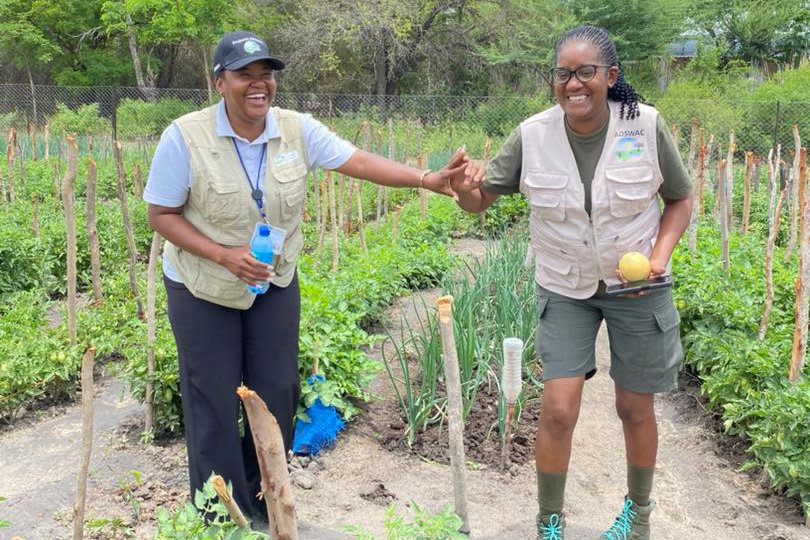
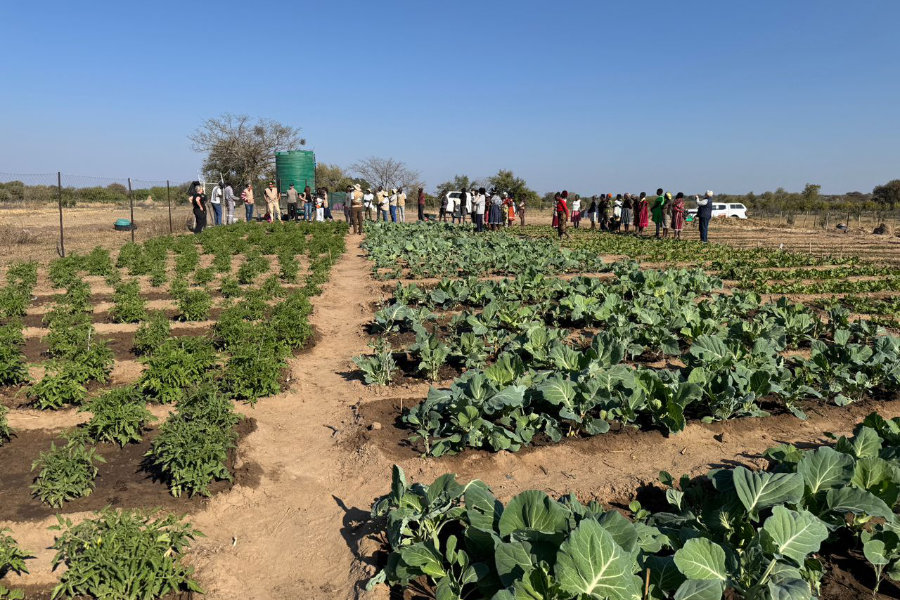
With 70% of Namibians reliant on agriculture, building resilience against climate change isn’t just important—it’s imperative.
Namibia is particularly vulnerable to the adverse effects of climate change; Namibia is one of the largest and driest countries in sub-Saharan Africa.
The prevailing tendency towards drought in Namibia and its negative impact on food security and livelihoods are a critical and negative impact of climate change to the wellbeing of the Namibian people as around 70 per cent of the Namibian population depends directly or indirectly on agriculture as their main source of livelihood.
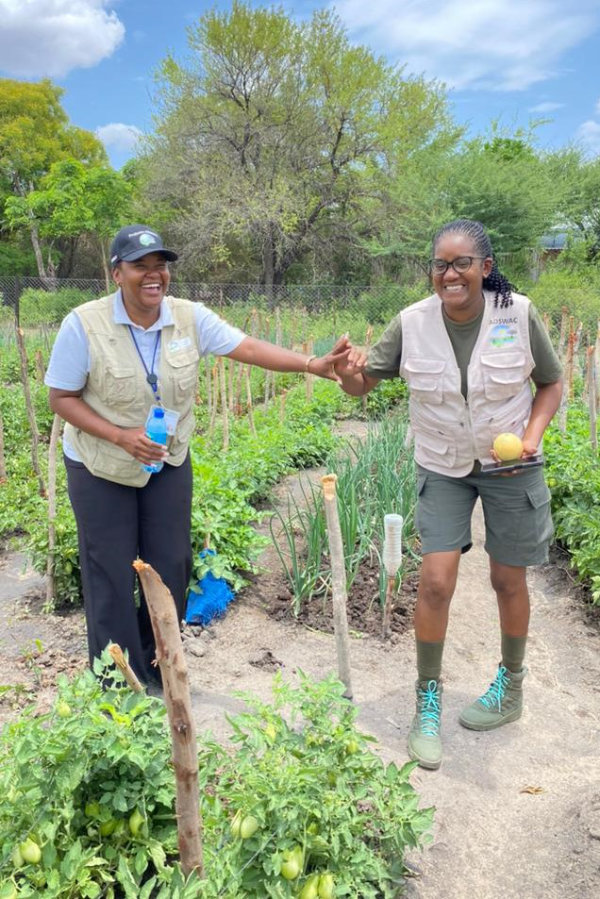
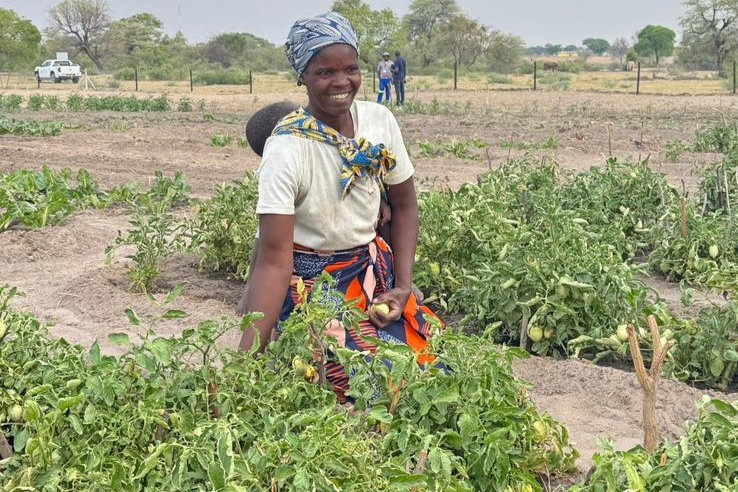
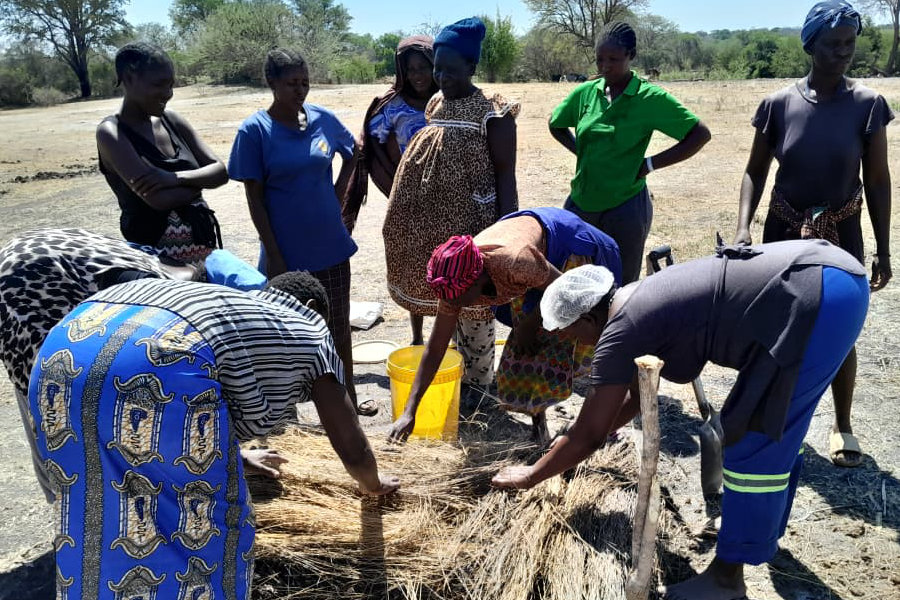
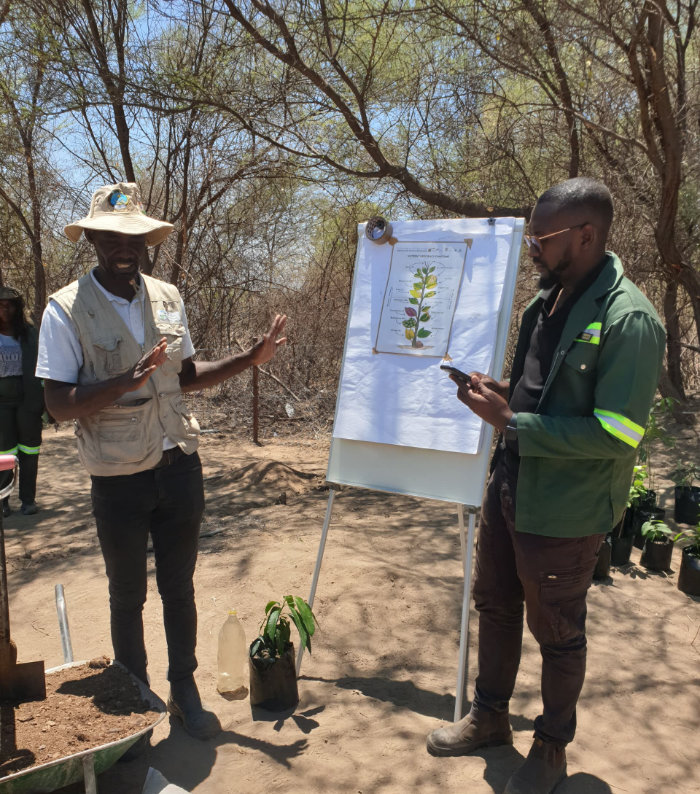
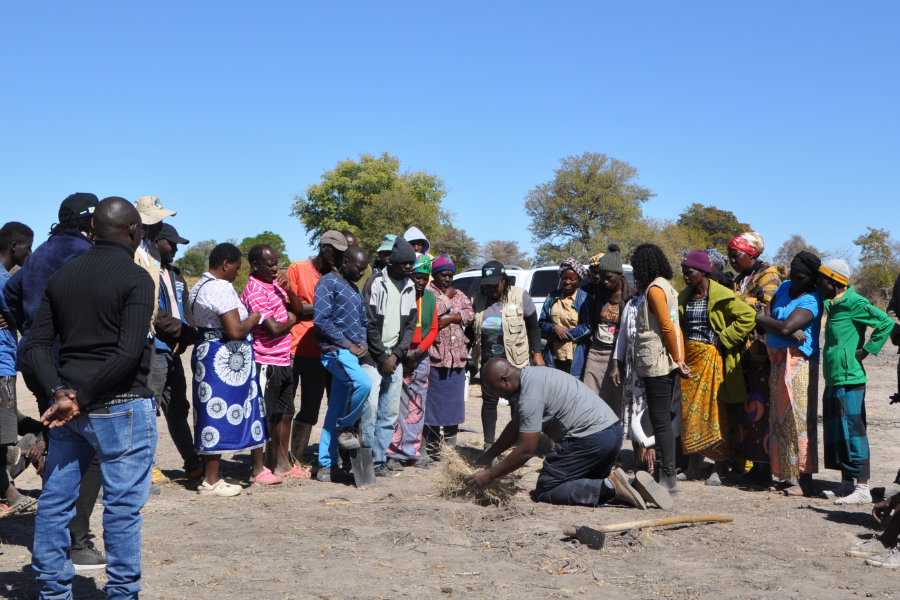
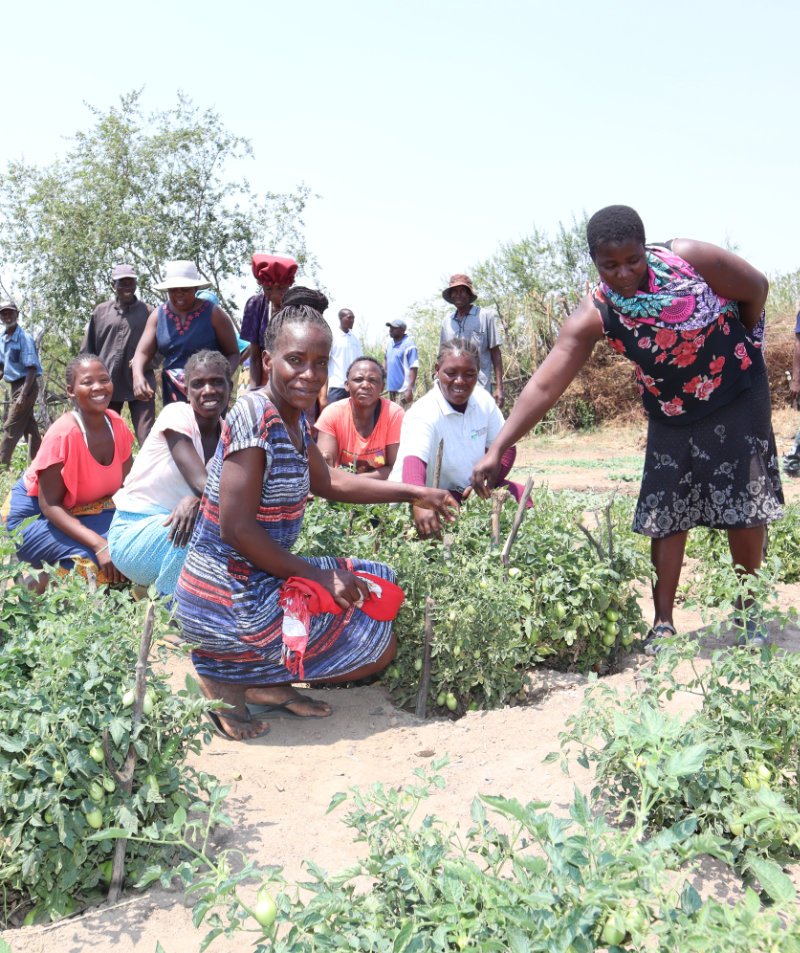
To address the challenges of climate change in Namibia, DAPP works with small-scale farmers affected by climate change in villages and communal areas to build their understanding of climate change and how they can employ localized adaptive measures. The activities implemented by DAPP Namibia provide local climate change mitigation measures at the household and community levels while simultaneously enhancing the health and well-being of families and communities.
Strengthening Resilience as a means of Adaptation to Drought and Climate Change in Communities in South-West Africa (ADSWAC)
Background
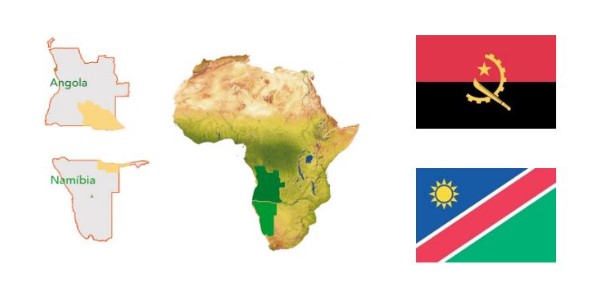
The border between southern Angola in Cuando Cubango and northern Namibia in Okavango/Kavango constitute a transboundary corridor that is dominated by the hyper-arid, arid and semi-arid drylands depending on the amount of annual precipitation and temperature. This area faces increasing drought due to rising temperatures and rainfall variability. The population in the area suffers from impacts induced by climate change, in the form of prolonged dry spells and drought conditions that are not about to improve without interventions to build their resilience and adapt to climate change. With such limitations, small-scale farmers and pastoralists are most vulnerable because of their limited coping mechanisms to climate change. Therefore, deliberate efforts aimed at enhancing their resilience and ecosystems to facilitate their adaptation to such impacts of droughts (and floods) are needed.
Main Objective
Enhancing the adaptation capacity and resilience of communities to climate change impacts and variability in the trans-boundary region of Angola and Namibia.
Specific Objectives
Expected Results
Donor
Adaptation Fund
Implementing Entity
Sahara and Sahel Observatory (OSS)
Regional Executing Entity
ADPP (Aduja de Desenvolvimento de Provo para Povo)
National Executing Entities
Angola: ADPP (Aduja de Desenvolvimento de Provo para Povo)
Namibia: DAPP (Development Aid from People to People)

Climate Change Action Centres established

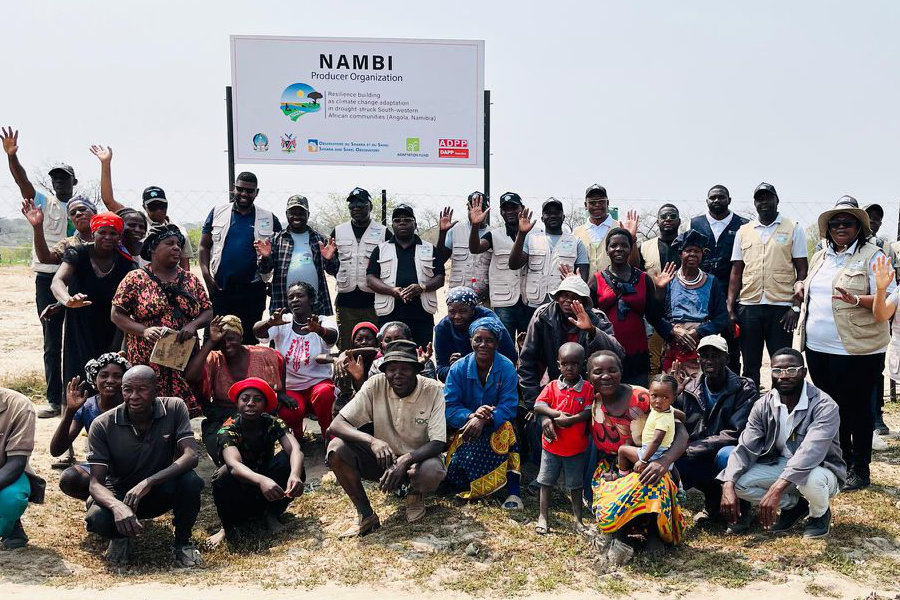
Producer Organisations and & Water User Associations formed

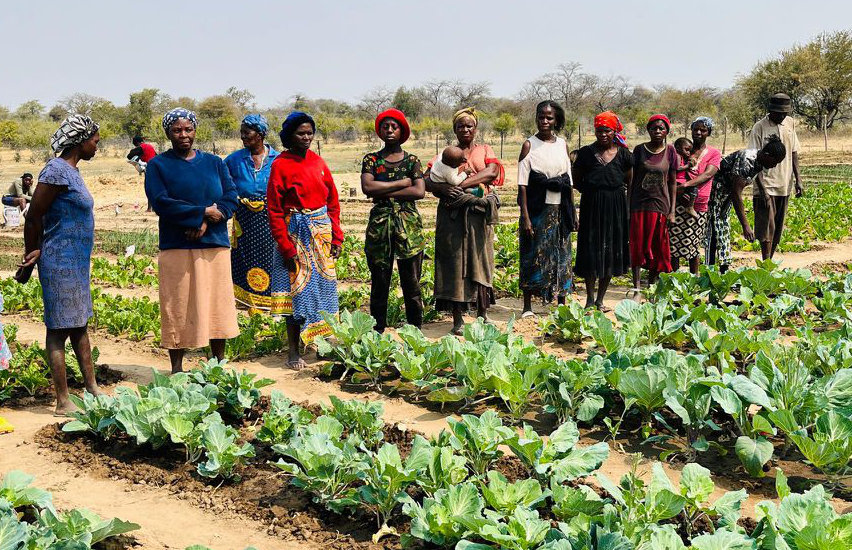
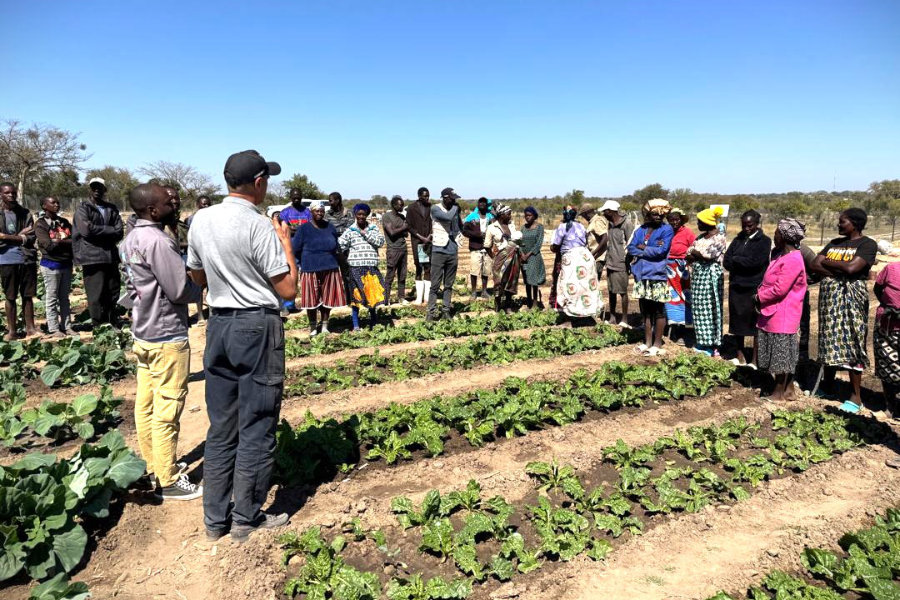
Demonstration plots established

Farmers are actively engaged in the project

Schools participated in the Green Schools Programme

Trees planted across participating schools

Cross-border exchange meetings held, fostering collaboration between climate resilience initiatives in Namibia and Angola.